
When Gratitude Groans: A Reflection on Thankfulness
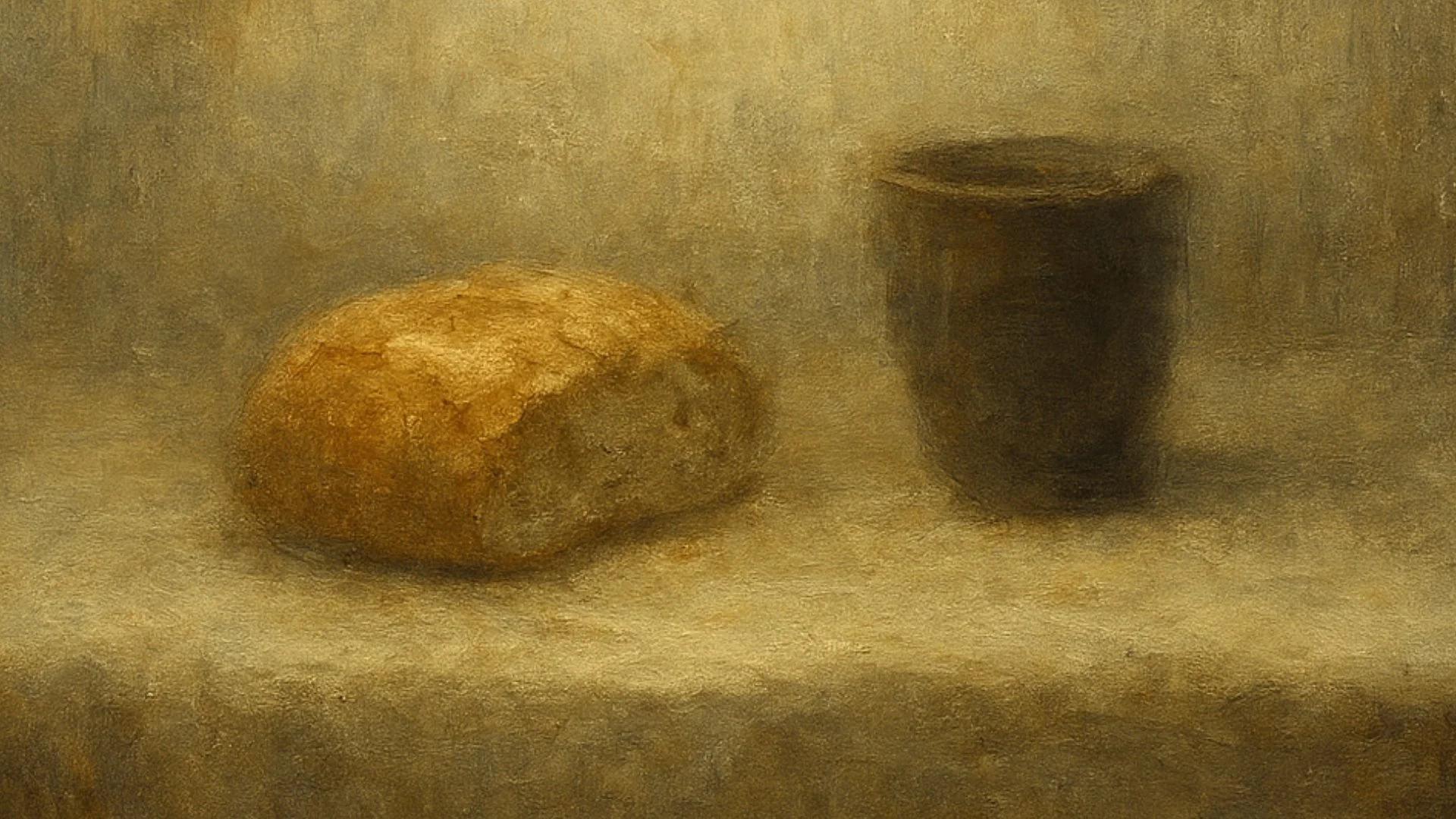
Gratitude rarely withers overnight. It erodes slowly buried beneath hurry, fatigue, or quiet resentment that things haven’t gone as we hoped. We don’t often curse God’s providence; we simply sigh at it. We scroll past mercies, dismiss small kindnesses, and nurse mild irritations as if they were justified companions.
“Do all things without grumbling or disputing, that you may be blameless and innocent…” –Philippians 2:14–15
Grumbling isn’t a personality flaw, it’s the antithesis of gratitude. It’s the subtle belief that God has failed to be good. And once that seed takes root, it grows quickly: cynicism replaces joy, entitlement silences worship, and gratitude becomes a stranger in the very house where grace abounds.
GRATITUDE IN THE SHADOW
“Give thanks in all circumstances; for this is the will of God in Christ Jesus for you.” –1 Thessalonians 5:18
True thanksgiving is not born in abundance. It is forged in want. Paul could write those words and mean them, the same man who wrote of joy from a prison cell rather than a banquet table. The early church gathered not around feast days but around bread broken in scarcity, in secret, in faith.
Gratitude, then, isn’t reactionary, it’s defiant. It sees the hand of God where comfort cannot. The thankful heart doesn’t deny hardship; it simply refuses to let hardship define reality. Gratitude is not blindness to pain; it is sight sharpened by faith.
When everything else shouts that God has forgotten you, gratitude quietly replies, “Yet He has not.”
Job said, “Shall we receive good from God, and shall we not receive evil?” (Job 2:10). His gratitude was not shallow optimism it was worship that had seen both dawn and dusk and still called God faithful.
THE SIN OF FORGETFULNESS
Israel grumbled in the wilderness because they forgot the Red Sea. The memory of manna grew stale. They remembered Egypt’s food, not Egypt’s chains (Numbers 11:4–6). So it is with us. Forgetfulness feeds discontent. When we fail to rehearse God’s past faithfulness, we begin to rewrite His character.
Moses warned them before entering the land:
“Take care lest you forget the LORD your God… lest, when you have eaten and are full, your heart be lifted up, and you forget.” –Deuteronomy 8:11–14
Gratitude requires remembrance, a practiced discipline of calling to mind what God has done, even when feelings lag behind. Thanksgiving is not seasonal; it’s liturgical. It’s the ongoing act of remembering grace, naming mercy, and confessing that even in drought, the ground beneath us is holy.
Perhaps the simplest prayer of gratitude is not thank You for everything I see, but thank You that You see everything I cannot.
GRATITUDE AS RESISTANCE
To give thanks in a complaining world is a radical act of faith. Every advertisement trains us to feel deprived. Every grievance culture disciples us toward discontent. Gratitude, therefore, becomes resistance, a rebellion against the tyranny of not enough.
“Though the fig tree should not blossom, nor fruit be on the vines… yet I will rejoice in the LORD.” –Habakkuk 3:17–18
When we thank God for ordinary bread, for breath, for the ache that reminds us we still live, we declare allegiance to a different Kingdom.
A grateful believer is not naïve; they are grounded. They have seen the cross, where suffering and sovereignty met, and concluded once for all that God does not waste pain. Gratitude is the echo of that conviction.
Even Jesus, on the night He was betrayed, took bread, and when He had given thanks, He broke it (Luke 22:19). The shadow of the cross loomed, and yet He gave thanks. That is gratitude in its purest form, not denial of what’s coming, but devotion in spite of it.
A TABLE IN THE WILDERNESS
This Thanksgiving, our gratitude need not be loud, perfect, or even cheerful. It just needs to be honest. To whisper “thank You” in the valley is worth more than a thousand hymns sung from ease.
When the world measures joy by what it can hold, we measure it by Who holds us. Gratitude is not a mood; it’s a worldview. It doesn’t wait for clarity; it worships in the dark.
“They spoke against God, saying, ‘Can God spread a table in the wilderness?’” –Psalm 78:19
And yet He can. He does.
So we give thanks; for breath, for mercy, for the unmerited grace that finds us even in the wilderness. For the God who keeps setting tables where none should be. For the Savior who still breaks bread among the undeserving. For the quiet conviction that no matter how barren the season, heaven has not gone silent.